

Your agency just closed another WordPress project. The client is excited. Your calendar is already full. You need capacity — without hiring a full-time developer, missing the deadline, or risking your reputation.
That is exactly when most agency owners start searching for a reliable white label WordPress partner: a team that designs and develops under your brand, stays invisible to your client, and ships work you are proud to present as your own.
This guide walks through how to evaluate partners, the red flags that waste months, and the practical checklist we use at Let Start Design when agencies ask us to become their quiet WordPress bench.
What Is a White Label WordPress Partner?
A white label WordPress partner is an external design and development team that builds WordPress websites for your clients while you remain the face of the relationship. You own discovery, strategy, and client communication. They own production — themes, custom blocks, WooCommerce, performance, and handoff — under a confidentiality agreement.
Unlike a public subcontractor who might join client calls under their own brand, a true white label partner:
- Signs an NDA and never contacts your client directly
- Delivers files, staging links, and documentation branded for your agency
- Matches your quality bar so you do not spend nights rebuilding their work
- Scales with your pipeline instead of forcing you into permanent payroll
If you are new to the model, start with our overview of white label web design and development, then dig into WordPress-specific delivery on our WordPress development service page.
Why Agencies Need a Reliable Partner (Not Just a Cheap One)
WordPress powers a huge share of the web — the WordPress.org project remains the default CMS for businesses that need flexibility without rebuilding from scratch. That demand is why agencies win WordPress retainers… and why unreliable outsourcing creates silent disasters.
A low-cost freelancer who disappears mid-project is more expensive than a structured partner with clear milestones. Reliability protects three things that actually grow an agency:
- Client trust — on-time launches and clean QA
- Margins — fewer unpaid revision loops
- Referrals — work that looks like your best in-house output
We covered the broader confidentiality angle in How to Outsource Web Design Without Your Clients Finding Out. This article focuses specifically on vetting a WordPress partner you can keep for years.
What “Reliable” Looks Like in Practice

Use this scorecard before you send a deposit. A reliable white label WordPress partner should clear most of these bars:
1. Written confidentiality and IP terms
Ask for a signed NDA before sharing client Figma files, brand kits, or staging credentials. Confirm who owns the theme code, custom plugins, and design files after payment. Your agency should retain the commercial relationship and the deliverables.
2. Proof of WordPress depth — not just “we build websites”
Look for recent work with custom themes, Gutenberg/block patterns, WooCommerce, multilingual setups, or performance hardening. Ask how they handle updates, child themes, and staging-to-production workflows. Browse their public proof when available — for example our portfolio and client testimonials — and request anonymized white-label case notes if client NDAs block public links.
3. Communication that matches agency life
You need a single point of contact, predictable update cadence, and a shared tool (ClickUp, Asana, Notion, or email milestones). Silence is the #1 reason white label relationships fail.
4. QA process you can defend to a client
Reliable partners test responsive breakpoints, forms, accessibility basics, plugin conflicts, and Core Web Vitals before handoff. Google’s SEO Starter Guide is a useful shared language for on-page expectations — your partner should already think in those terms for titles, headings, and crawlability.
5. Transparent scope and revision rules
Get page counts, design rounds, plugin list, and “what happens if the client changes direction” in writing. Ambiguous scopes create unpaid overtime — for you and them.
Red Flags That Signal an Unreliable Partner
Walk away — or at least slow down — if you see these patterns:
- They refuse an NDA or want to email your client “just for clarification”
- Pricing is dramatically below market with no sample work
- They only show template demos, never custom builds
- Timelines are vague (“asap,” “depends”) with no milestones
- They cannot explain how they handle staging, backups, or plugin updates
- Communication happens only on WhatsApp with no written scope
- They reuse the same portfolio screenshots across unrelated niches
Cheap is fine. Opaque is not. Your brand is on the invoice.
Questions to Ask Before You Sign
Copy this list into your discovery call:
- Will you sign our NDA and never contact the end client?
- Who owns the theme, custom code, and design files after final payment?
- What is included in each package (pages, revisions, WooCommerce, SEO basics)?
- How do you handle staging, Git or backup workflows, and go-live?
- What is your average turnaround for a 5–8 page custom WordPress site?
- How many white label projects can you run in parallel for us?
- Do you support Elementor, Gutenberg, or custom themes — and which do you recommend?
- What happens if a launch date slips on your side?
- Can you provide two agency references we can speak with?
- How do you communicate blockers before they become emergencies?
Partners who answer clearly are usually the ones who deliver clearly.
How Let Start Design Works as a White Label WordPress Partner
Let Start Design is a creative digital agency based in Karachi, working with brands and agencies worldwide. One of our core offerings is white label delivery: we design and build under your brand so you can sell with confidence and keep capacity flexible.
When agencies partner with us for WordPress, the workflow typically looks like this:
- Intake under NDA — brief, brand assets, sitemap, and success criteria
- Design system alignment — we match your agency’s visual language, not a generic “offshore template look”
- WordPress build — custom or carefully extended themes, responsive QA, forms, and essential SEO foundations
- Staging review — you review first; your client never sees our name
- Handoff — clean documentation so your team can maintain or upsell retainers
We also support adjacent needs agencies often sell alongside WordPress — UI/UX, Shopify, ecommerce, and SEO — through the same white label model. Explore the full partnership page: White Label Web Design & Development.
If you want a technical deep dive on how we approach builds, our developers follow modern WordPress practices documented by the community at developer.wordpress.org — block themes, APIs, and performance-minded patterns — adapted to each agency’s stack preferences.
Step-by-Step: How to Choose the Right White Label WordPress Partner
Step 1 — Define what you sell vs. what you outsource
Keep strategy, client workshops, and brand direction in-house if that is your differentiator. Outsource production: theme builds, migrations, WooCommerce, bug fixes, and redesign execution.
Step 2 — Shortlist three partners maximum
More options create decision fatigue. Score each partner on NDA readiness, samples, communication, and price-to-scope clarity.
Step 3 — Run a paid pilot
Start with a landing page or a small brochure site — not your biggest ecommerce client. Evaluate speed, feedback loops, and code cleanliness before you open the floodgates.
Step 4 — Lock SOPs once quality is proven
Document briefing templates, file naming, staging URLs, revision windows, and go-live checklists. Reliability becomes a system, not a hope.
Step 5 — Review quarterly
Track on-time rate, revision count, and client satisfaction. A good partner gets better with your feedback. A weak one repeats the same issues.
Pricing Reality Check
There is no universal “correct” white label rate — scopes differ wildly. What matters is whether the quote maps to deliverables:
- Number of unique page templates
- Custom vs. theme customization
- Ecommerce complexity
- Content entry and SEO setup
- Post-launch support window
If two quotes differ by 70%, compare scopes line by line before you assume someone is “expensive.” Often the cheaper quote silently excludes QA, responsive polish, or revisions.
Internal Tools That Make Partnerships Smoother
Once you have a partner, standardize how you brief and ship. Our free utilities can help your team move faster on technical handoffs — for example the SEO Meta Tag Generator and FAQ Schema Generator when you need clean markup before launch. Browse everything on Free Online Tools.
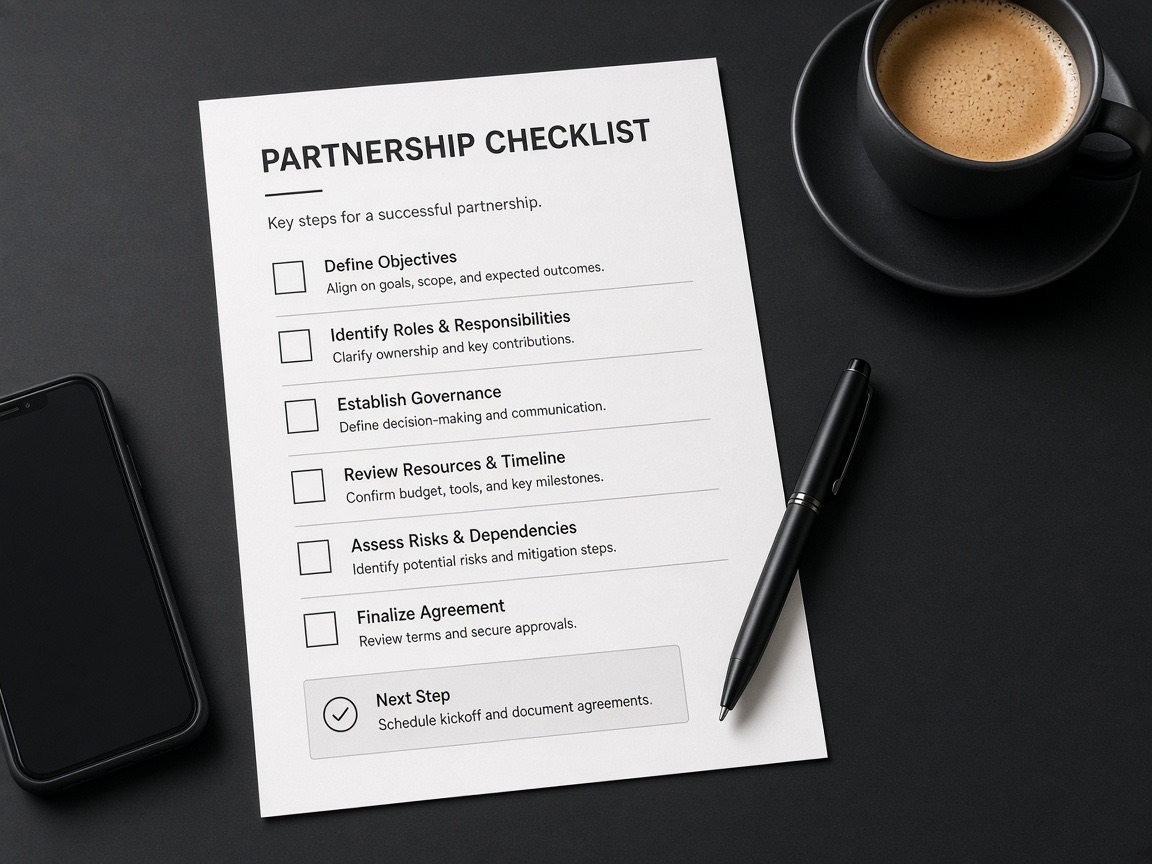
Final Checklist Before You Commit
- ☐ NDA signed
- ☐ Portfolio + references reviewed
- ☐ Scope and revisions documented
- ☐ Communication channel and SLA agreed
- ☐ Pilot project completed successfully
- ☐ IP ownership confirmed in writing
- ☐ Backup / staging process explained
If every box is checked, you do not just have a vendor — you have a capacity engine for your agency.
Ready to Partner With Let Start Design?
Finding a reliable white label WordPress partner is less about hunting for the lowest hourly rate and more about protecting your client relationships while you grow. At Let Start Design, we built our white label offer for agencies and freelancers who need production quality without brand risk.
Tell us about your pipeline, preferred stack, and turnaround needs. We will outline a confidential workflow that keeps your clients focused on you.
Explore white label partnership · Book a free consultation · WordPress development services · More White Label articles


